The Impact of Screen Time on Child Development: What Parents Should Know

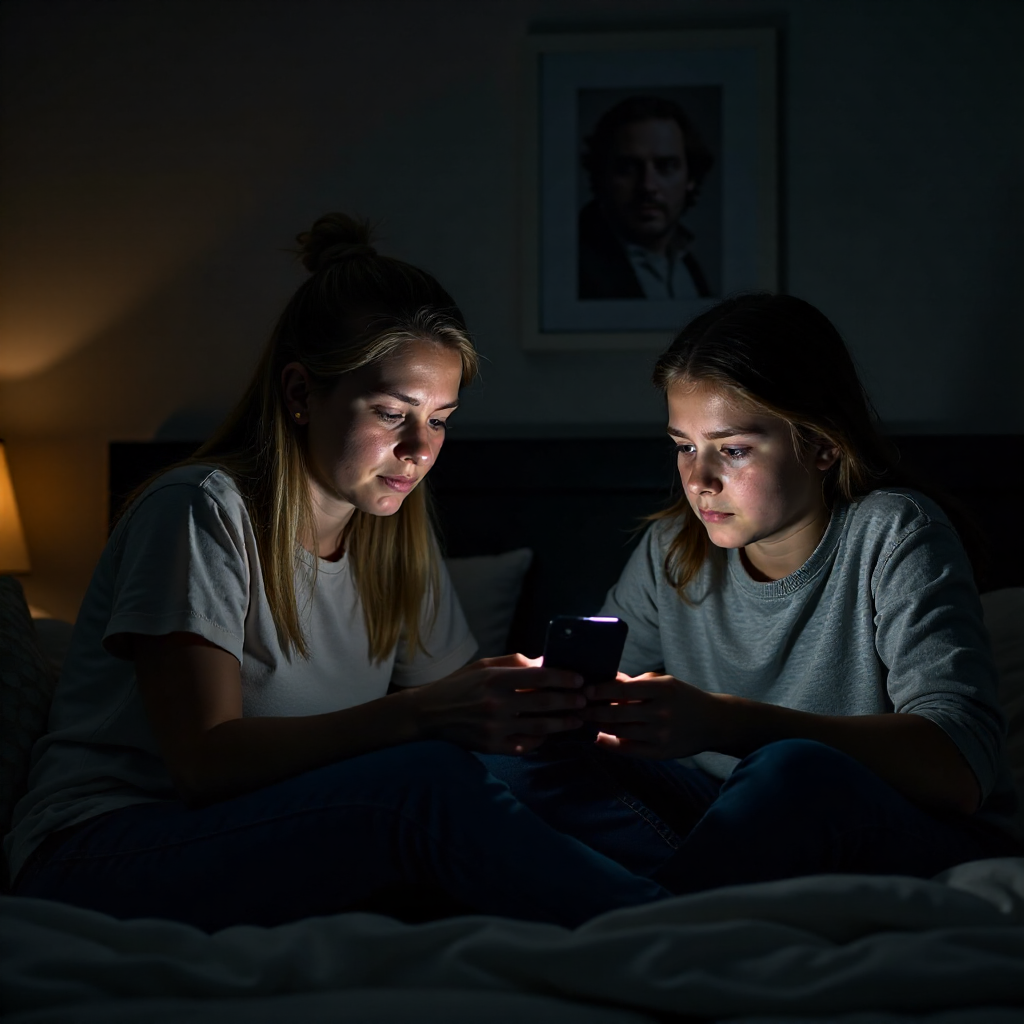
Screen time is part of everyday family life, but its effect on child development depends on more than the number of minutes a child spends with a device. Age, content, timing, context, and what screen use replaces all matter. A video watched with a parent can support conversation, while the same device used alone during bedtime may interfere with sleep and family routines.
A balanced approach looks at the whole child: sleep, physical activity, play, language, learning, relationships, emotional regulation, and daily functioning. The goal is not to make digital media disappear. It is to help children use it in ways that fit their developmental needs.
How Screen Time Can Influence Child Development
Screen time can influence child development by shaping what children see, do, and miss during the day. The impact varies according to a child’s age, the quality of digital media, the length and timing of use, and whether an adult participates.
Early childhood is a particularly important period because babies, toddlers, and preschoolers build skills through movement, hands-on exploration, conversation, imitation, and responsive relationships. A screen cannot provide all of those experiences. For older children, digital media may support creativity, schoolwork, communication, and access to information, but heavy or poorly timed use can still crowd out sleep, exercise, hobbies, and face-to-face interaction.
Content also changes the experience. Passive background television, fast-paced entertainment, an interactive educational game, a video call with a grandparent, and collaborative homework are all forms of digital media, yet they place different demands on attention and social interaction.
A useful framework is to ask four questions:
- What? Is the content age-appropriate, understandable, and consistent with family values?
- When? Does screen use occur near bedtime, during meals, or when a child needs to focus?
- With whom? Is the child watching alone, co-viewing with a caregiver, or connecting socially?
- What is displaced? Is media replacing sleep, outdoor play, conversation, reading, or creative play?
These questions often reveal more than a screen-time total by itself. A family facing long travel, medical treatment, limited outdoor space, or demanding caregiving circumstances may use screens differently from another family. Healthy guidance should be practical rather than judgmental.
Effects on Sleep, Physical Activity, and Daily Routines
Screen use may affect sleep and physical activity when it pushes bedtime later, increases stimulation, or replaces movement and predictable routines. Children generally need consistent sleep, active play, and regular meals to support physical and brain development.
Bright screens and exciting content close to bedtime can make it harder for some children to settle. A device in the bedroom may also encourage repeated checking, requests for one more episode, or nighttime waking. Screen use during the hour before bed is especially worth examining if a child struggles to fall asleep or wakes tired.
Physical activity can be displaced in less obvious ways. Thirty minutes of gaming may replace a short bike ride, imaginative play, or time at a playground. Longer periods of sitting can also interrupt meals, household participation, and family conversation. The concern is usually the daily pattern, not one quiet afternoon.
Building a routine that protects sleep and movement
- Keep regular wake-up and bedtime times when possible.
- Create a screen-free wind-down period before sleep, using books, music, bathing, or quiet conversation.
- Charge phones, tablets, and gaming devices outside children’s bedrooms.
- Protect meals from entertainment screens so children can notice hunger, fullness, and family interaction.
- Offer an appealing replacement before removing a device: a ball game, puzzle, story, craft, or outdoor activity.
Choosing a screen-free bedtime routine may require more planning, but it gives children a predictable transition. If sleep does not improve after routine changes, other causes such as anxiety, breathing problems, pain, or a sleep disorder should also be considered.
Screen Time and Learning, Language, and Attention
Educational screen time can support learning when content is age-appropriate, interactive, and discussed with an adult. For young children especially, real-world conversation and hands-on play remain central to language and cognitive development.
Children learn language through back-and-forth exchanges. A program may introduce words, but a caregiver can deepen learning by asking, “What happened?” “How does that character feel?” or “Can you find something red in the room?” This turns viewing into an opportunity for listening, speaking, memory, and reasoning.
Interactive media is not automatically educational. Some apps reward rapid tapping without encouraging explanation or problem-solving. Fast-moving videos can also make slower activities, such as shared reading or building with blocks, feel less engaging for a child who is already tired.
To make media more useful:
- Preview programs and apps before offering them.
- Select content with clear stories, accurate information, and a manageable pace.
- Watch or play together, particularly during early childhood.
- Pause to connect the screen experience with real life, such as counting objects or acting out a story.
- Turn off autoplay and notifications that encourage passive, extended viewing.
Attention concerns should be interpreted carefully. Difficulty focusing can reflect inadequate sleep, stress, learning differences, hearing or vision problems, or an overly stimulating media routine. Screen time may contribute, but it is rarely the only explanation.
Parents can consult guidance from the American Academy of Pediatrics Family Media Plan to organize age-appropriate expectations around devices, entertainment, schoolwork, and communication.
Social-Emotional Development and Behavior
Screen time can support social-emotional development through connection and shared play, but it may interfere with emotional regulation when it becomes a child’s main way to cope. The key issue is whether media complements relationships or consistently replaces them.
Video calls can help children maintain relationships with distant relatives. Cooperative games may encourage communication and turn-taking. A carefully chosen story can help a parent discuss empathy, frustration, or problem-solving. These are meaningful uses of digital media.
Difficulty may arise when a screen is used every time a child feels bored, angry, or restless. Children need repeated practice naming feelings, waiting, negotiating, and calming their bodies. If a device always removes discomfort immediately, those skills may receive less practice.
Behavior can also change around transitions. A child may become irritable when stopping a highly stimulating game, especially when the ending feels sudden. That reaction does not automatically mean addiction or permanent harm. It may reflect fatigue, an unclear limit, or a difficult shift from a rewarding activity.
Helpful responses include giving a five-minute warning, using a visual timer, ending at a natural stopping point, and acknowledging the child’s disappointment without changing the limit. Parents can say, “You wanted more time. Stopping is hard. The tablet is finished now, and you can choose blocks or a snack.” Calm repetition usually works better than a long debate.

Recognizing When Screen Use May Be a Concern
Screen use may be a concern when it repeatedly disrupts sleep, relationships, school, physical activity, or a child’s ability to manage everyday responsibilities. One difficult transition is common; a persistent pattern deserves closer attention.
Look for signs such as:
- Regular trouble falling asleep, nighttime waking, or daytime tiredness after evening screen use.
- Reduced interest in favorite non-screen activities, outdoor play, reading, or social time.
- Frequent, intense conflict whenever a device is turned off.
- Difficulty completing schoolwork, chores, meals, or personal care because of media.
- Using screens secretly, lying about use, or repeatedly breaking agreed boundaries.
- More irritability, sadness, anxiety, or withdrawal that coincides with a major change in media habits.
- Physical complaints such as headaches, eye discomfort, neck pain, or reduced activity.
These signs are signals to investigate, not labels to apply. Track the pattern for several days: when the child uses media, what they watch or play, how they sleep, and what happens afterward. Also note family stress, changes at school, bullying, developmental concerns, or other factors that could affect behavior.
A practical test is to adjust one variable at a time, such as removing screens from the bedroom or protecting meals for two weeks. If the child’s functioning improves, the routine was likely part of the problem. If concerns continue, seek professional guidance.
Healthy Screen-Time Strategies for Families
Healthy screen-time strategies combine clear media boundaries, suitable content, predictable routines, and adult modeling. Limits work best when children understand what happens before, during, and after screen use.
Create a family media plan
Write a short family media plan that covers where devices are used, which times are screen-free, what content is allowed, and how exceptions work. Include caregivers so grandparents, babysitters, and other adults give consistent messages. A plan can change as children mature, school demands shift, or family circumstances change.
Make limits concrete
- Use a timer or visual schedule instead of repeated verbal warnings.
- Decide the stopping point before the child starts.
- Give transition warnings at five minutes and one minute.
- Keep devices out of bedrooms and away from meals.
- Separate necessary school or communication use from recreational entertainment.
Choose connection over surveillance
Co-viewing lets parents understand content and notice how a child responds. It also creates natural opportunities for language and social-emotional learning. For older children, privacy becomes important, so supervision should match maturity and safety concerns rather than rely only on constant monitoring.
Parents should model the habits they expect. Put a phone down during conversations, keep adult notifications from dominating family time, and explain when work or navigation requires a device. Children notice patterns more than lectures.
Common mistakes include setting a rule that changes every day, removing screens without offering alternatives, and using devices as the only calming strategy. Correct these by choosing two or three priorities first, preparing replacement activities, and teaching calming skills such as breathing, movement, drawing, or talking. Progress may be uneven. Consistency over several weeks matters more than a perfect first day.
When to Discuss Screen Use With a Pediatrician
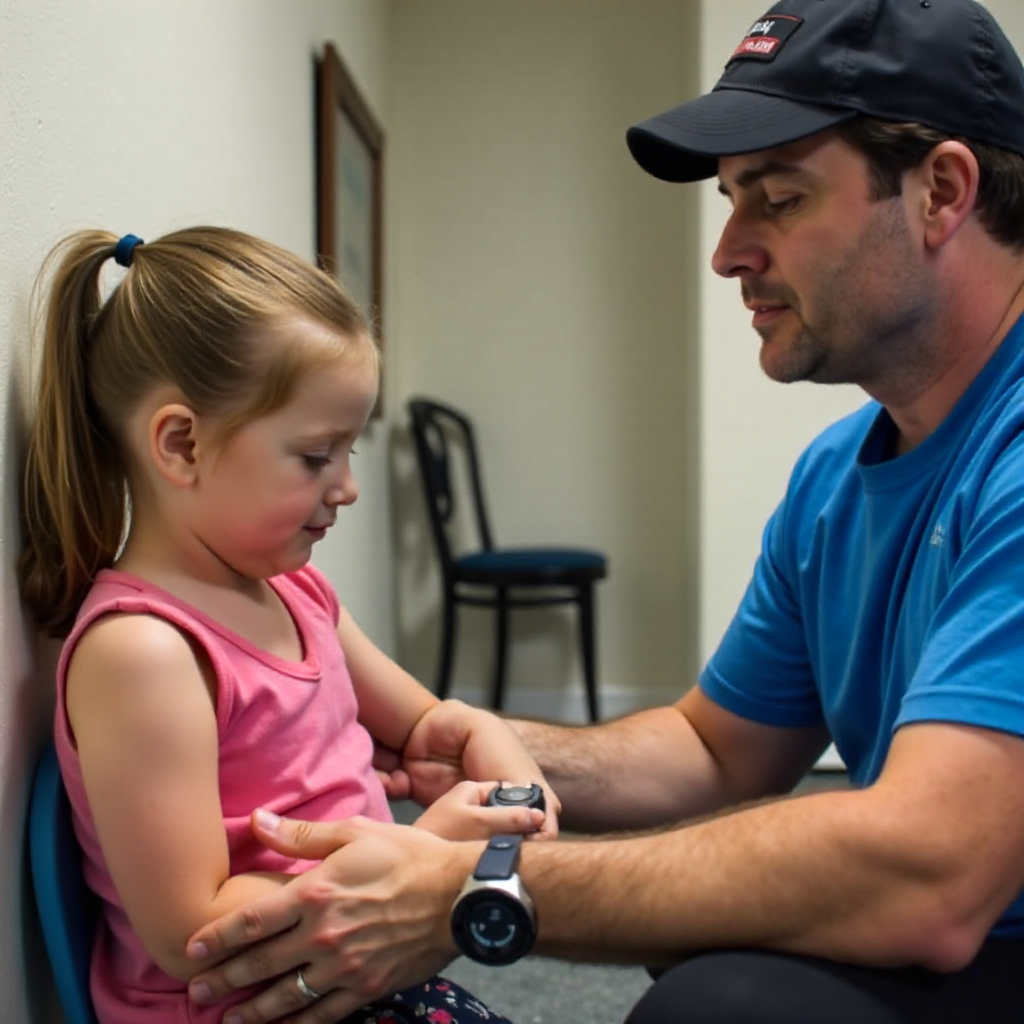
Discuss screen use with a pediatrician when it affects development, sleep, behavior, health, relationships, or daily functioning despite reasonable family changes. A pediatrician can help separate media-related difficulties from medical, developmental, emotional, or environmental concerns.
Bring specific observations rather than only a screen-time estimate. Note the child’s age, typical schedule, content, bedtime routine, physical activity, school performance, and reactions when media ends. Mention whether concerns began after a change in school, family life, medication, sleep, or mood.
Professional advice is particularly useful when a child misses developmental milestones, loses previously acquired skills, has persistent language or social difficulties, experiences significant sleep disruption, or shows ongoing anxiety, aggression, sadness, or withdrawal. A pediatrician may recommend hearing or vision assessment, developmental screening, behavioral support, sleep evaluation, or referral to another specialist.
Families do not need to wait until a problem becomes severe. Early conversations can produce practical adjustments and reassurance. The purpose of pediatric guidance is to support the child’s overall well-being, not to blame parents or demand an unrealistic device-free home.
Frequently Asked Questions About Screen Time and Child Development
How much screen time is appropriate for children?
There is no single number that fits every child and family. Age, developmental stage, content, sleep, physical activity, school responsibilities, and relationships should guide decisions. For young children, prioritize conversation, hands-on play, movement, and shared reading. For older children, set limits that protect sleep, learning, exercise, and family life.
Does all screen time affect children in the same way?
No. Passive entertainment, educational play, video calls, creative projects, and co-viewed content have different effects. Timing and what screen use replaces matter as much as duration.
Can educational screen time support learning?
Yes. Well-designed, age-appropriate media can introduce concepts and encourage practice. Adult involvement helps children connect digital lessons with language, problem-solving, and real-world experiences.
How can parents reduce screen time without constant battles?
Use predictable rules, warnings, timers, appealing alternatives, and calm follow-through. Start with one high-impact change, such as screen-free meals or devices outside bedrooms, rather than changing everything at once.
When should a parent talk with a pediatrician about screen use?
Contact a pediatrician when media consistently disrupts sleep, development, school, behavior, relationships, or daily care, or when you are unsure whether a concern reflects screen use or another issue.
Healthy digital media habits grow from the same foundations as healthy child development: sleep, movement, play, responsive relationships, and dependable routines. Screen time can fit within that foundation when families choose it thoughtfully and keep the child’s overall well-being in view.