Why Vaccinations Matter Most in the First 5 Years of Life Why Vaccinations Matter Most in the First 5 Years of Life How to Recognize Early Signs of Common Childhood Illnesses How to Recognize Early Signs of Common Childhood Illnesses

Why Vaccinations Matter Most in the First 5 Years of Life

The first five years of a child's life are filled with milestones — first steps, first words, first friendships. They're also the years when a child's body is most vulnerable to serious illness. Vaccinations during this window aren't just a routine box to check at the pediatrician's office. They're one of the most powerful tools caregivers have to protect their child's health and give them the strongest possible start.

The First Five Years: Why This Window Is Critical

Early childhood is a period of heightened vulnerability because a young child's immune system is still developing and cannot yet mount a full defense against many dangerous pathogens. Newborns receive some temporary protection through maternal antibodies, but this fades within the first few months of life — leaving a gap that the childhood immunization schedule is specifically designed to fill.

Between birth and age five, children encounter more new environments, caregivers, and other children than at almost any other stage of life. Daycare, playgrounds, family gatherings — each one is an opportunity for exposure to infectious disease. At the same time, their immune system development is still catching up. This combination of high exposure and limited natural defense is exactly why timing matters so much.

Vaccine-preventable diseases like measles, whooping cough, and Hib meningitis can be far more severe — and even life-threatening — in infants and toddlers than in older children or adults. Waiting until a child is older to vaccinate isn't a neutral choice. It leaves them unprotected during the period when they need protection most.

How Vaccines Work in Young Children

Vaccines train the immune system to recognize and fight specific pathogens without causing the disease itself. They do this by introducing a harmless piece of the pathogen — a weakened or inactivated form, a protein fragment, or genetic instructions — that prompts the body to produce antibodies.

Think of it as a practice drill. The immune system learns to identify the threat, builds a response, and stores that memory. If the child later encounters the real pathogen, the immune system recognizes it immediately and responds fast enough to prevent serious illness.

In young children, this process works remarkably well — but it often requires more than one dose. That's why booster doses are built into the schedule. Some vaccines need multiple rounds to build full protection; others need a booster later to maintain immunity as the initial response fades. The timing isn't arbitrary. It's calibrated to when a child's immune system is ready to respond most effectively.

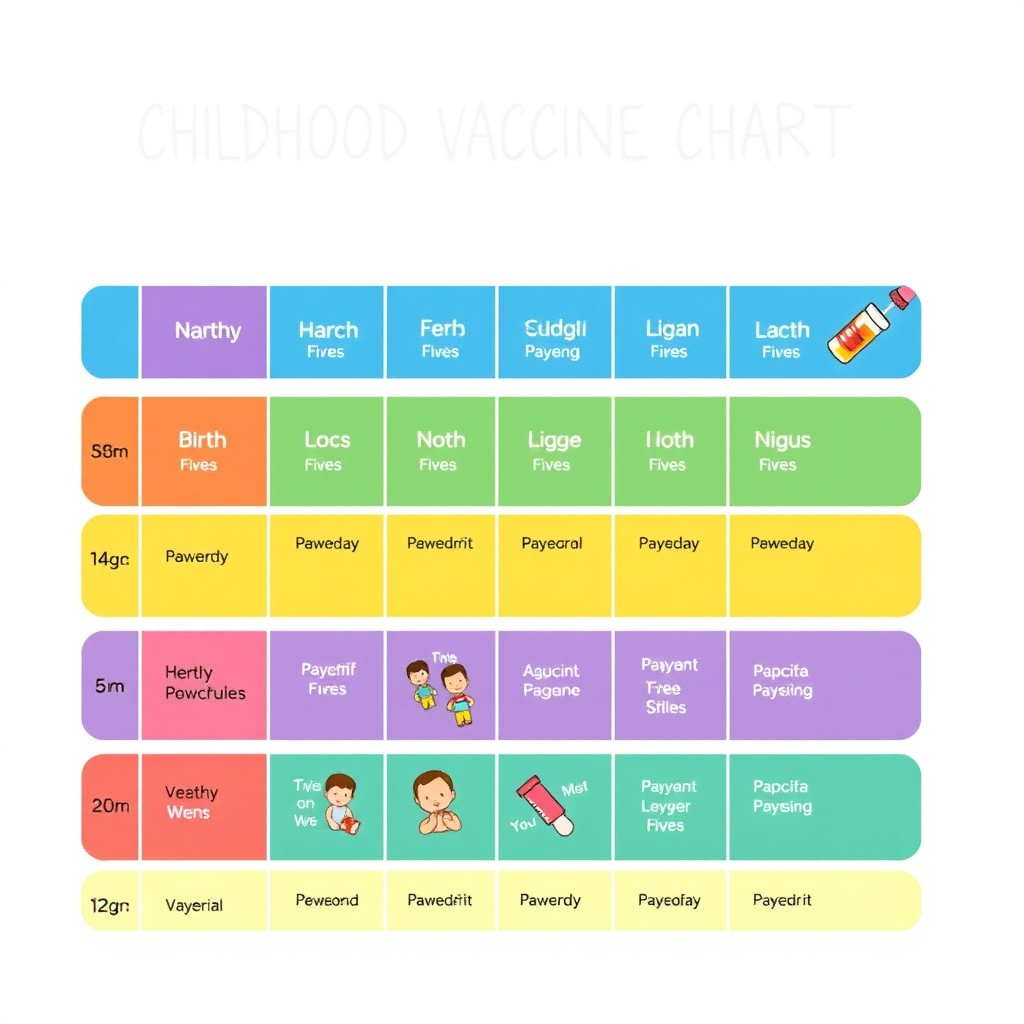
The Recommended Vaccine Schedule for Children Under 5

The standard vaccine schedule for children under five is developed and updated by the CDC and the American Academy of Pediatrics (AAP), based on extensive research into when vaccines are safest and most effective. It begins at birth and continues through a series of well-child visits in the first years of life.

Here's a general overview of what the schedule covers:

  • At birth: Hepatitis B (first dose)
  • 2 months: DTaP (diphtheria, tetanus, pertussis), Hib, IPV (polio), PCV (pneumococcal), RV (rotavirus), Hepatitis B (second dose)
  • 4 months: Second doses of DTaP, Hib, IPV, PCV, and RV
  • 6 months: Third doses of several vaccines, plus the first annual flu vaccine
  • 12–15 months: MMR (measles, mumps, rubella), Varicella, Hepatitis A, and boosters for Hib and PCV
  • 15–18 months: DTaP booster
  • 4–6 years: Final boosters for DTaP, IPV, MMR, and Varicella before school entry

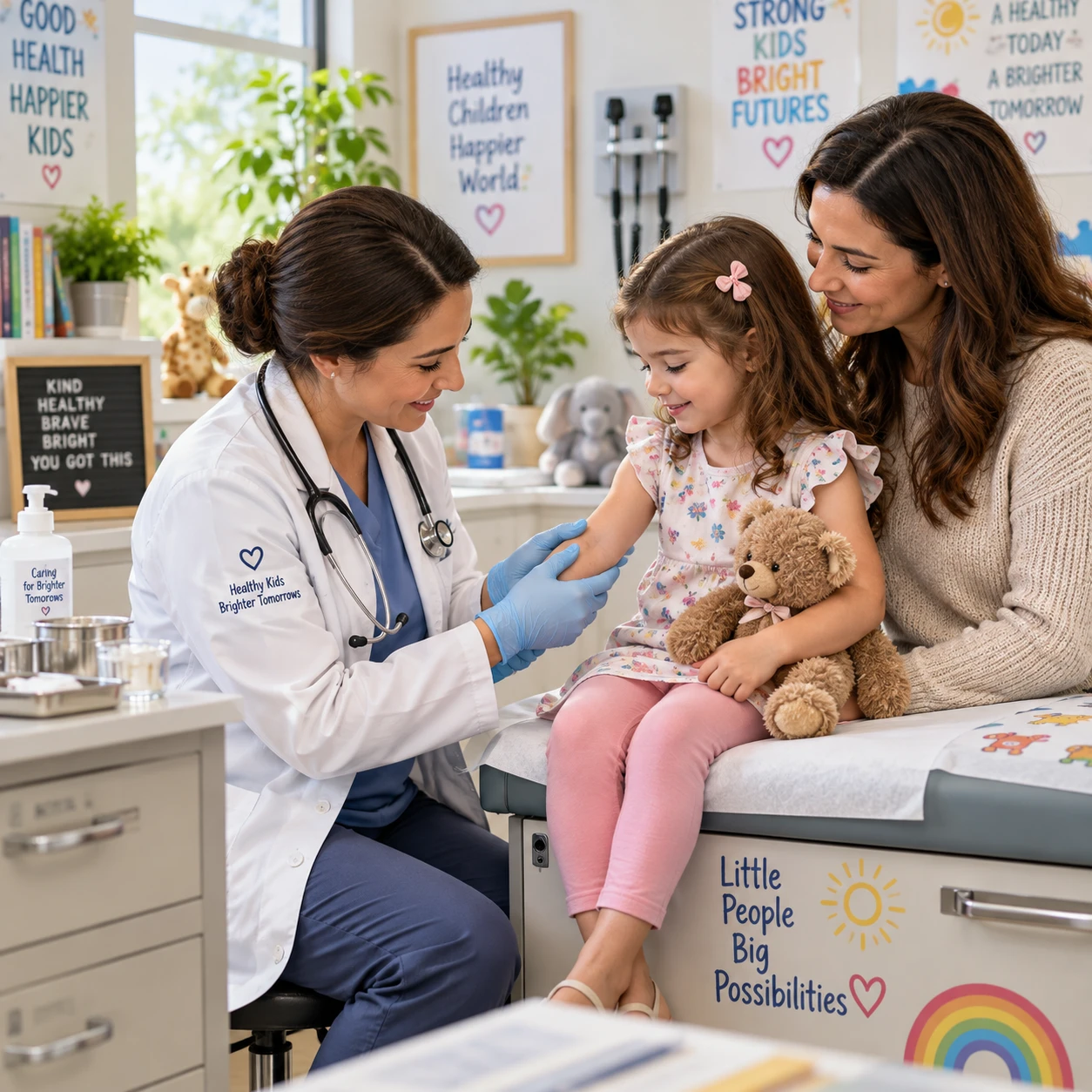
Each well-child visit is an opportunity to stay on track. Pediatricians use these appointments not just to administer vaccines but to monitor development, answer questions, and catch any concerns early. If you're unsure where your child stands on the schedule, your pediatrician's office can pull up their immunization record and walk you through what's current.

Diseases Vaccines Prevent — and Why They Still Matter

Vaccine-preventable diseases haven't disappeared — they've been suppressed by high vaccination rates, and they return when those rates drop. This is not a hypothetical. Measles outbreaks have occurred in communities with lower vaccination coverage in recent years, affecting children who were too young to be vaccinated or whose families had delayed immunization.

Whooping cough (pertussis) is another example. It can be fatal in infants under two months old, who are too young to have completed their vaccine series. The only protection for these babies comes from the people around them being vaccinated — older siblings, parents, caregivers.

Polio, once a leading cause of childhood paralysis in the United States, has been eliminated domestically through sustained vaccination. But it still circulates in parts of the world, and unvaccinated travelers can bring it back. The same is true for measles, mumps, and rubella.

These diseases feel distant because vaccines have worked so well. That success can create a false sense of security — the illusion that the threat is gone. It isn't. The protection is.

Addressing Common Concerns About Vaccine Safety

Vaccine safety concerns are real and deserve honest answers, not dismissal. Many parents have questions, and asking them is a sign of engaged, thoughtful caregiving — not opposition to science.

The short answer is that vaccines approved for use in children have gone through rigorous testing across multiple phases of clinical trials before reaching the public. After approval, vaccine safety monitoring continues through systems like the Vaccine Adverse Event Reporting System (VAERS) and the Vaccine Safety Datalink, which track outcomes in millions of children over time.

Common side effects — a sore arm, mild fever, fussiness — are signs that the immune system is responding. They're temporary and manageable. Serious adverse reactions are rare, and the risk of a serious reaction to a vaccine is consistently far lower than the risk of serious illness from the disease it prevents.

The claim that vaccines cause autism has been thoroughly investigated and repeatedly disproven. The original 1998 study that suggested a link was retracted due to serious ethical violations and data manipulation. Dozens of large-scale studies involving millions of children have found no connection. The CDC's vaccine safety research on this topic is publicly available and worth reading if you want to go deeper.

If you have concerns, bring them to your child's pediatrician. A good provider will take your questions seriously and help you make an informed decision — not pressure you or brush you off.

Community Immunity: Protecting Those Who Can't Be Vaccinated

Vaccinating your child protects more than just your child. Herd immunity — or community immunity — is what happens when enough people in a population are immune to a disease that it can no longer spread easily. This creates a protective buffer around those who can't be vaccinated: newborns too young for certain vaccines, children with certain medical conditions, and people undergoing chemotherapy or other immunosuppressive treatments.

When vaccination rates in a community fall below a certain threshold, that buffer disappears. Diseases that had been effectively controlled can resurface and spread quickly through the unprotected population. The threshold varies by disease — measles requires about 95% community immunity to stay suppressed, because it's one of the most contagious pathogens known.

This is why vaccination is both a personal health decision and a community responsibility. The choice to vaccinate your child contributes to a shared layer of protection that benefits everyone — including the most vulnerable members of your community who have no other option.

What to Do If Your Child Has Missed a Vaccine

Missing a scheduled vaccine is common and completely fixable. A catch-up vaccination schedule exists precisely for this situation, and your pediatrician can create a personalized plan to get your child back on track without starting over from scratch.

There's no need to feel guilty or embarrassed about a gap in the schedule. Life happens — illnesses, moves, insurance changes, and other disruptions can all cause delays. What matters is taking the next step.

A few practical points:

  • Call your pediatrician's office and let them know you'd like to review your child's immunization record. They can identify what's missing and schedule accordingly.
  • Most vaccines can be given at any point — the catch-up schedule adjusts timing and spacing to ensure safety and effectiveness.
  • Some vaccines have age cutoffs or require a minimum interval between doses, so earlier is generally better than later.
  • If you've recently moved or changed providers, your child's vaccine history may be accessible through your state's immunization registry.

The goal isn't a perfect record from day one. The goal is a fully protected child. Starting that conversation with your pediatrician today is the most important step you can take.

Frequently Asked Questions

Is it safe to give my child multiple vaccines at the same visit?

Yes. The childhood immunization schedule is designed with combination visits in mind. A child's immune system is capable of responding to multiple vaccines simultaneously — it handles far more immune challenges from everyday exposure to the environment. Giving several vaccines at once reduces the number of office visits and ensures children are protected as early as possible.

What are the most common side effects after vaccination?

The most common reactions are mild and short-lived: soreness or redness at the injection site, a low-grade fever, and temporary fussiness or fatigue. These typically resolve within one to two days. Serious reactions are rare. If you notice anything that concerns you after a vaccine, contact your pediatrician.

Can my child still get sick after being vaccinated?

Vaccines are highly effective but not 100% guaranteed for every individual. A vaccinated child who does contract a disease they were vaccinated against will typically experience a much milder illness than an unvaccinated child. Vaccination also significantly reduces the risk of complications and hospitalization.

What happens if we delay or skip a vaccine?

Delaying or skipping a vaccine leaves your child unprotected during the gap — and some of the most dangerous periods for vaccine-preventable diseases are in early infancy. There's no medical benefit to an alternative schedule. If you've already delayed, a catch-up plan can restore protection. Talk to your pediatrician about the best path forward.

How do I talk to my pediatrician about vaccine concerns?

Be direct and specific. Write down your questions before the appointment so you don't forget them in the moment. A good pediatrician will welcome the conversation. If you feel dismissed or unheard, it's okay to seek a second opinion. The goal is a trusting relationship where you feel informed and supported — because that's what leads to the best outcomes for your child.

{{HOMEPAGE_LINKS}}