Managing Asthma in Children: A Parent’s Guide
Understanding Asthma in Children
Pediatric asthma is a chronic lung condition that causes inflammation and narrowing of the airways in children, leading to breathing difficulties. It affects how well a child can breathe during physical activities or exposure to certain triggers.
Asthma in children means their airways are more sensitive and can react strongly to environmental factors, causing wheezing, coughing, and shortness of breath. Early diagnosis and proper management are critical to ensuring children live an active, healthy life without frequent interruptions from asthma symptoms.
Understanding the nature of pediatric asthma helps parents recognize symptoms and anticipate flare-ups. By learning how asthma impacts lung function and immune responses, parents can become advocates for their child’s health, work effectively with healthcare providers, and build confidence in managing day-to-day care.
Common Triggers and Symptoms
Asthma triggers are factors that can worsen or provoke asthma symptoms in children. Knowing these triggers and recognizing early symptoms is key to effective management.
Common asthma triggers include:
- Allergens: Dust mites, pet dander, pollen, mold spores
- Environmental irritants: Tobacco smoke, strong odors, air pollution
- Respiratory infections: Colds and flu can exacerbate symptoms
- Physical exertion: Exercise-induced bronchoconstriction especially during cold weather
- Weather changes: Cold air or humidity shifts
Symptoms of asthma in children often include:
- Frequent coughing, especially at night or early morning
- Wheezing or a whistling sound when breathing out
- Shortness of breath or rapid breathing
- Chest tightness or discomfort
- Difficulty speaking during an episode
Parents should watch for persistent or worsening symptoms and sudden changes in breathing patterns, which signal that an asthma attack might be imminent. Identifying and avoiding triggers when possible reduces the frequency of episodes significantly.
Medications and Their Proper Use
Managing pediatric asthma often relies on medications delivered via inhalers or nebulizers to control symptoms and prevent attacks. Understanding each type and using devices correctly is essential for treatment success.
There are two main categories of asthma medications:
- Rescue inhalers: These contain fast-acting bronchodilators that quickly relieve symptoms during an asthma attack by relaxing airway muscles.
- Controller medications: Taken daily, these prevent inflammation and reduce airway sensitivity. Controllers include inhaled corticosteroids and long-acting bronchodilators.
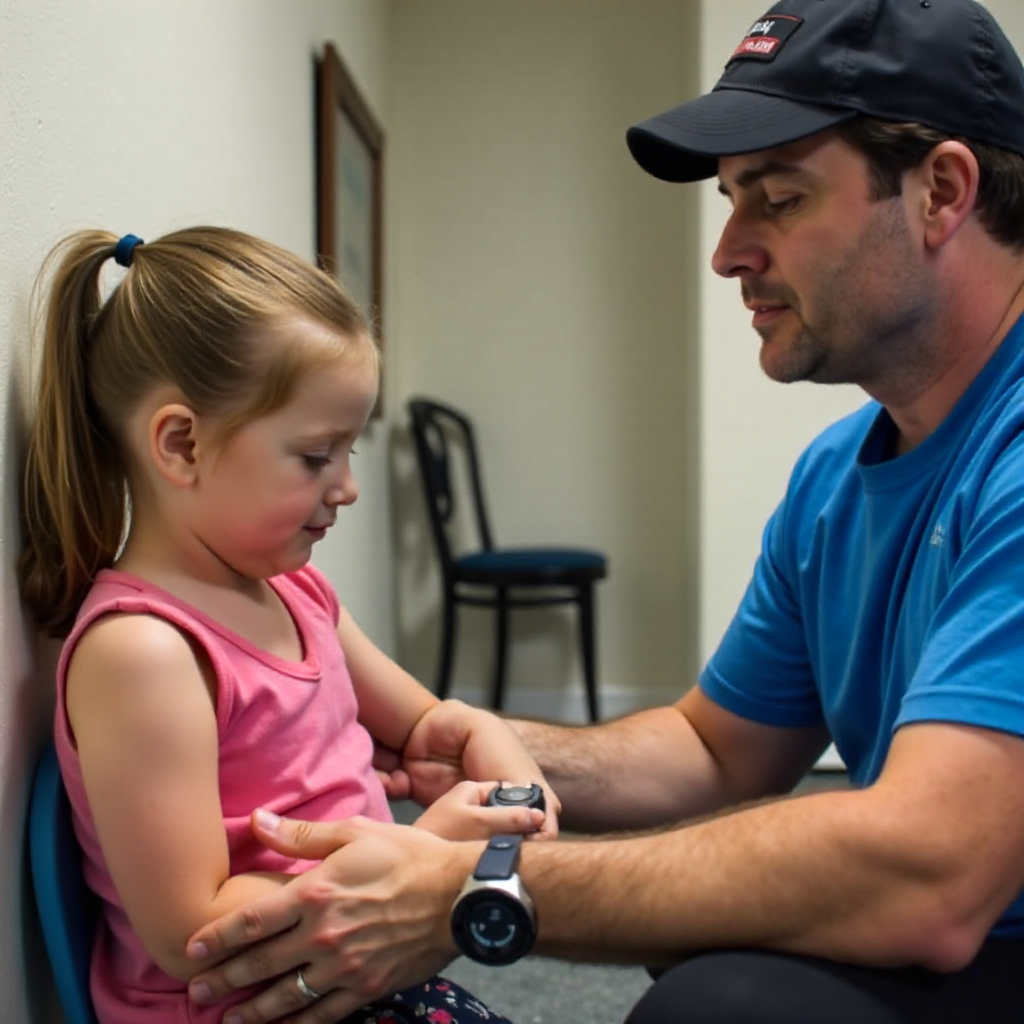
Parents should ensure their child uses inhalers with proper technique and may need spacer devices for younger children to improve delivery. A peak flow meter can help measure lung function at home, allowing early detection of reduced airflow before symptoms appear.
Nebulizers, which turn liquid medication into a mist, may be prescribed for younger children or severe cases. Regular medication adherence and periodic assessment by a healthcare provider are critical to adjusting doses and preventing side effects.
Developing an Asthma Action Plan
An asthma action plan is a personalized written guide developed with your child’s healthcare provider that outlines daily management steps and what to do during worsening symptoms or attacks.
The plan typically includes:
- Identification of asthma triggers specific to your child
- Instructions for daily medication use, including dosages and timing
- Guidelines for using rescue medication during flare-ups
- Indicators for when to seek emergency medical care
- Contact information for healthcare providers and emergency services
Having a clear, accessible plan empowers parents, caregivers, and school staff to respond consistently and promptly. It also reduces confusion in stressful moments and improves overall asthma control across environments.
Creating a Safe Environment at Home and School
Reducing exposure to asthma triggers in both home and school environments minimizes the risk of attacks and supports ongoing respiratory health for your child.
Practical tips for environmental control include:
- Maintain low humidity levels indoors to reduce mold and dust mites
- Regularly clean bedding and stuffed toys in hot water
- Use high-efficiency particulate air (HEPA) filters or air purifiers
- Keep pets out of the child’s bedroom if pet dander triggers symptoms
- Avoid smoking or exposure to secondhand smoke anywhere near the child
- Work with schools to ensure asthma medications and action plans are accessible, and to prevent exposure around classmates
Educating teachers and caregivers about triggers and emergency protocols adds another safety layer. When combined with medication adherence, a controlled environment significantly improves symptom management.
Recognizing and Responding to Asthma Attacks
Knowing how to identify and respond to an emergency asthma attack can be lifesaving. Early recognition and prompt treatment reduce severity and prevent hospitalization.
Warning signs of an asthma attack include:
- Severe wheezing and coughing that doesn’t improve with medication
- Labored or rapid breathing; child may struggle to speak in full sentences
- Retraction of chest muscles or flaring nostrils indicating difficulty breathing
- Blue lips or fingertips due to low oxygen
- Extreme anxiety or drowsiness
During an attack, parents should immediately follow the asthma action plan’s emergency steps, usually including administering a rescue inhaler every 20 minutes up to three doses. If there’s no improvement or symptoms worsen, seek emergency medical care without delay.
Remaining calm and comforting your child also helps reduce panic, which can aggravate breathing difficulty. Teaching your child how to use their inhaler and recognize symptoms fosters independence over time.
Ongoing Monitoring and Doctor Visits
Ongoing monitoring and follow-up care are vital for maintaining asthma control and adjusting treatment as your child grows.
Parents should keep a symptom diary and track peak flow readings regularly to detect changes early. Routine visits allow healthcare providers to assess lung function, review medication effectiveness, and update the asthma action plan as needed.
Consistent follow-up improves long-term outcomes by preventing complications such as chronic inflammation or missed developmental milestones caused by poorly controlled asthma.
Remind your child about the importance of medication adherence and avoiding triggers. Encourage open communication so they can report symptoms honestly.
Frequently Asked Questions
How can I tell if my child’s asthma is getting worse?
Look for increased frequency or intensity of symptoms such as wheezing, coughing at night, or shortness of breath. Lower peak flow meter readings and reduced activity tolerance are also signs of worsening asthma.
What should I do if my child forgets their inhaler at school?
Inform the school nurse or teacher immediately and have a backup inhaler accessible. Work with the school to establish a system for emergency medication storage and ensure your child understands how to report symptoms promptly.
Are there natural remedies that help manage asthma?
While some natural approaches like breathing exercises or avoiding allergens may support symptom management, no natural remedy should replace prescribed medications or medical advice from your child’s doctor.
When should I seek emergency medical help?
If your child’s symptoms do not improve after using rescue inhalers, they have difficulty breathing, or show signs like blue lips or inability to speak, call emergency services immediately.
How can I help my child stay active safely?
Encourage regular physical activity with proper pre-exercise use of inhalers if prescribed. Choose asthma-friendly sports and maintain open communication about any symptoms during exercise.
Managing pediatric asthma requires vigilance, education, and collaboration between parents, healthcare providers, and schools. With a thorough asthma action plan, proper medication use, trigger avoidance, and prompt response to symptoms, children with asthma can thrive in all aspects of life.
For detailed guidance on pediatric asthma, visit CDC Asthma in Children.