Preparing Your Child for Surgery: A Step-by-Step Guide Preparing Your Child for Surgery: A Step-by-Step Guide The Impact of Screen Time on Child Development: What Parents Should Know The Impact of Screen Time on Child Development: What Parents Should Know How to Encourage Healthy Eating Habits in Picky Eaters: A Parent's Practical Guide How to Encourage Healthy Eating Habits in Picky Eaters: A Parent's Practical Guide Supporting Mental Health in Adolescents: Practical Strategies Every Parent Should Know Supporting Mental Health in Adolescents: Practical Strategies Every Parent Should Know Managing Asthma in Children: A Parent’s Guide Managing Asthma in Children: A Parent’s Guide

Preparing Your Child for Surgery: A Step-by-Step Guide

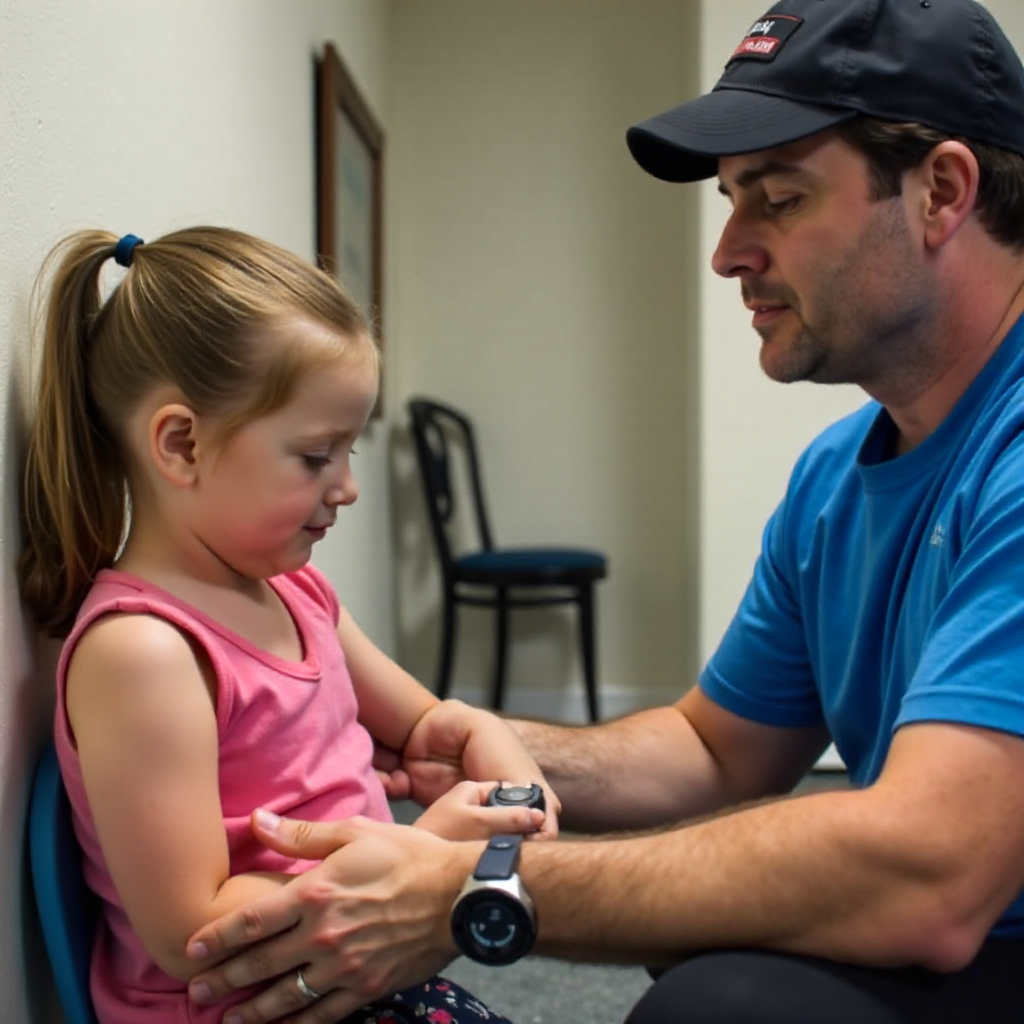
Preparing a child for surgery involves more than packing a bag. Children need clear explanations, emotional reassurance, and practical support before, during, and after the procedure. Your child’s surgeon, anesthesiologist, nurses, and pediatric care team will provide instructions tailored to the operation, age, medical history, and hospital.

Start With Accurate, Age-Appropriate Explanations

Explain surgery in simple, honest language that matches your child’s age and understanding. Share what will happen, why it is needed, and what your child may see or feel without making frightening promises or unnecessary details.

Choose a calm time to talk, ideally several days before surgery unless the procedure is urgent. Use familiar words such as, “The doctor will help your body get better,” and explain that the hospital team will stay nearby. Avoid saying everything will be painless. Instead, say, “You may feel some pressure, soreness, or a strange sensation, and the team will help keep you as comfortable as possible.”

  • Toddlers and preschoolers: Use short explanations, simple books, dolls, and pretend medical play. Explain events in sequence: arrive, meet the nurse, change clothes, have medicine to help with sleep, and wake up with a caregiver nearby.
  • School-age children: Give a little more detail about the operating room, anesthesia, monitoring, and recovery. Invite questions and correct misunderstandings gently.
  • Teenagers: Discuss privacy, body changes, anesthesia, pain management, recovery time, school, sports, and independence. Respect their need for direct information and private conversation with clinicians.

Ask your child to explain what they understand. This can reveal worries that are easy to miss, such as fear of waking during surgery, losing a parent, or being blamed for needing treatment. Correct inaccurate information without dismissing the feeling behind it.

Prepare Your Child Emotionally

Emotional preparation reduces uncertainty by giving children safe ways to ask questions, practice coping skills, and express fear. Reassurance works best when it validates feelings rather than telling a child not to worry.

Try saying, “It makes sense to feel nervous. I will be with you, and we can ask the team questions.” Avoid threats, guilt, or statements such as, “Be brave for me.” Children can be brave while crying, asking for help, or admitting they are scared.

Practice one or two coping tools before the hospital visit:

  • Slow breathing, such as breathing in for three counts and out for four.
  • Listening to music, watching a familiar show, or using a distraction game.
  • Holding a comfort object, blanket, photograph, or stuffed animal if the hospital permits it.
  • Using guided imagery, such as imagining a favorite place.
  • Choosing a short phrase together, such as “One step at a time.”

A hospital tour, child life specialist, preparation video, or age-appropriate picture book may make unfamiliar surroundings easier. A child life specialist can use medical play to demonstrate equipment, explain anesthesia, and help children rehearse coping choices. Ask whether this service is available through your hospital.

Keep routines as normal as possible. A caregiver’s calm, honest behavior matters, although pretending not to feel worried can make children more confused. Share concerns with another adult or the healthcare team so your child does not feel responsible for comforting you.

Follow the Medical Team’s Pre-Surgery Instructions

Follow the surgical team’s written instructions exactly, especially for fasting, medication, allergies, and arrival time. If anything is unclear, contact the pediatric surgery or preoperative consultation team rather than guessing.

During the preoperative consultation, ask the surgeon and anesthesiologist to explain the procedure, expected length, anesthesia plan, pain management, and likely recovery. Write down instructions because stress can make details difficult to remember. The American Society of Anesthesiologists offers general information about children and anesthesia, but your child’s anesthesiologist remains the appropriate source for individualized advice.

  • Confirm the hospital admission location, check-in time, parking, and registration process.
  • Ask which regular medicines, vitamins, or supplements your child should take or pause.
  • Follow the exact fasting instructions for solid food, formula, breast milk, and clear liquids. Do not change these rules without approval.
  • Tell the team about allergies, previous anesthesia reactions, chronic conditions, and recent illnesses.
  • Ask what to do if your child develops fever, cough, vomiting, diarrhea, rash, or a known infection before surgery.
  • Complete surgical consent, insurance documents, medication lists, and other required forms.

Fasting reduces the risk of stomach contents entering the lungs during anesthesia, but the timing differs by age and procedure. Never assume that a small snack or drink is harmless. If your child eats or drinks outside the instructions, report it honestly; the team will decide whether the schedule must change.

Plan What to Bring and Expect at the Hospital

Plan for identification, comfort, transportation, and waiting time before hospital admission. A small, organized bag can help your child feel secure while giving caregivers quick access to essential information.

  • Photo identification, insurance information, consent paperwork, and a current medication list.
  • Loose clothing, slip-on shoes, underwear, and glasses or hearing aids if permitted.
  • A favorite comfort item, tablet, headphones, book, or quiet activity.
  • Any requested medical equipment, labeled clearly.
  • A phone charger, water for the caregiver after check-in if allowed, and a notebook for instructions.

Leave jewelry, valuables, and unnecessary electronics at home. Confirm whether nail polish, contact lenses, or removable dental appliances must be removed. Arrange reliable transportation and identify the adult who will supervise your child after discharge. Some children go home the same day; others stay overnight for monitoring.

Before surgery, nurses may check vital signs, weight, allergies, and medical history. Your child may change into a hospital gown and receive an identification band. The anesthesiologist may discuss general anesthesia or another approach. Monitoring equipment, a mask, an intravenous line, or other steps can seem unfamiliar, so ask the team to explain them in child-friendly terms.

Support Your Child on Surgery Day

On surgery day, keep the routine calm, offer limited choices, and use the coping plan you practiced. Predictable choices help children feel some control without changing medical requirements.

Offer choices such as which pajamas to wear to the hospital, which comfort item to pack, or whether to listen to music in the waiting area. Do not offer choices the team cannot honor, such as whether the surgery will happen. Use simple, confident language and repeat the most important facts: who will be there, what happens next, and when you expect to reunite.

Some hospitals allow a caregiver to accompany a child during parts of preparation or anesthesia induction. Policies vary by age, procedure, operating room, and clinical situation. If separation is required, ask the nurse how it will happen and what comfort measures are available. A short, honest goodbye is usually easier than slipping away. Tell your child where you will wait and who will return first.

Ask the team:

  • What signs of anxiety or discomfort should we report immediately?
  • When can I see my child after surgery?
  • How will pain and nausea be assessed and treated?
  • What equipment or tubes might my child have temporarily?

Prepare for Recovery at Home

Prepare home recovery before surgery by organizing medicines, supervision, food, rest, transportation, and follow-up care. Use the discharge plan as your primary guide because recovery varies by procedure and child.

Before leaving, confirm each medicine’s name, dose, timing, and purpose. Use a written schedule or phone reminder, and ask what to do if your child vomits after a dose. Do not give extra medication, aspirin, supplements, or leftover prescriptions unless the care team approves them. Pain management may include prescribed medicine, nonprescription medicine, positioning, ice or warmth when directed, distraction, and rest.

  • Offer fluids and small, familiar meals as tolerated, following discharge instructions.
  • Encourage sleep and quiet activity, but follow specific movement and lifting restrictions.
  • Keep the incision or dressing clean and dry exactly as instructed.
  • Attend follow-up visits and record questions, temperatures, medicine doses, and changes in symptoms.
  • Arrange adult supervision until the team says normal activities are safe.

Children may become clingy, irritable, tearful, or temporarily regress after hospitalization. Predictable routines, affection, play, and age-appropriate explanations can help. Recovery often includes emotional ups and downs, not only physical healing.

Know When to Contact the Care Team

Contact the surgical or pediatric care team whenever symptoms are unexpected, worsening, or unclear. Follow your discharge paperwork first, because warning signs and thresholds depend on the operation and your child’s health.

Seek professional advice about increasing or uncontrolled pain, repeated vomiting, inability to drink, unusual sleepiness, breathing difficulty, dehydration, fever, new rash, bleeding, worsening swelling, or changes around the incision such as spreading redness, pus, or foul odor. Contact emergency services for severe breathing problems, heavy bleeding, collapse, or a child who is difficult to wake.

Do not wait for a scheduled follow-up if something feels wrong. Keep the hospital’s phone number, after-hours service, surgeon’s office, and pharmacy details accessible. When calling, provide your child’s procedure, symptom start time, temperature if measured, medicines given, fluid intake, and any change from the discharge instructions.

Preparation is a partnership. Accurate information, a calm caregiver, individualized medical guidance, and a practical recovery plan can make pediatric surgery more manageable for the whole family.

Frequently Asked Questions

How should I explain surgery to my child?

Use honest, age-appropriate words and explain events in order. Describe anesthesia as medicine that helps the body sleep during the operation, and avoid promising that there will be no pain. Invite questions and ask your child to repeat the explanation in their own words.

What should my child bring to the hospital?

Bring identification, consent and insurance documents, a medication list, loose clothing, and an approved comfort item. Leave valuables at home and check the hospital’s rules about toys, electronics, food, and personal equipment.

How can I reduce my child’s anxiety before surgery?

Validate feelings, practice breathing or distraction, maintain familiar routines, and consider a hospital tour or child life specialist. Offer small choices and model calm, truthful reassurance.

What questions should parents ask the surgeon and anesthesiologist?

Ask about the procedure, anesthesia, fasting, regular medicines, expected pain, recovery time, activity limits, follow-up, and symptoms that require a call. Also ask who to contact after hours.

When should I call the doctor after surgery?

Call for symptoms that are worsening, unexpected, or not covered clearly by the discharge instructions, including breathing problems, uncontrolled pain, repeated vomiting, dehydration, fever, heavy bleeding, or concerning incision changes. For severe breathing difficulty, collapse, or an unresponsive child, seek emergency help.

{{HOMEPAGE_LINKS}}