Supporting Mental Health in Adolescents: Practical Strategies Every Parent Should Know Supporting Mental Health in Adolescents: Practical Strategies Every Parent Should Know Managing Asthma in Children: A Parent’s Guide Managing Asthma in Children: A Parent’s Guide Best Online Casino Bonuses in 2026: How to Find and Claim the Most Rewarding Welcome Offers Best Online Casino Bonuses in 2026: How to Find and Claim the Most Rewarding Welcome Offers Nutrition Tips for Boosting Your Child's Immune System Nutrition Tips for Boosting Your Child's Immune System Top European Industrial Supply Companies Worth Knowing in 2026: A Guide for U.S. Businesses Sourcing Abroad Top European Industrial Supply Companies Worth Knowing in 2026: A Guide for U.S. Businesses Sourcing Abroad

Recognizing and Addressing Anxiety in Young Children: A Parent's Guide

Every child goes through phases of worry, clinginess, or fear. Some of those phases are completely expected. Others can quietly signal something that deserves a closer look. For parents and caregivers, knowing the difference is one of the most valuable things you can do for your child's long-term health.

This guide walks through what childhood anxiety actually looks like, how it changes with age, and what you can do — starting today — to help your child feel safer and more grounded.

What Is Anxiety in Young Children?

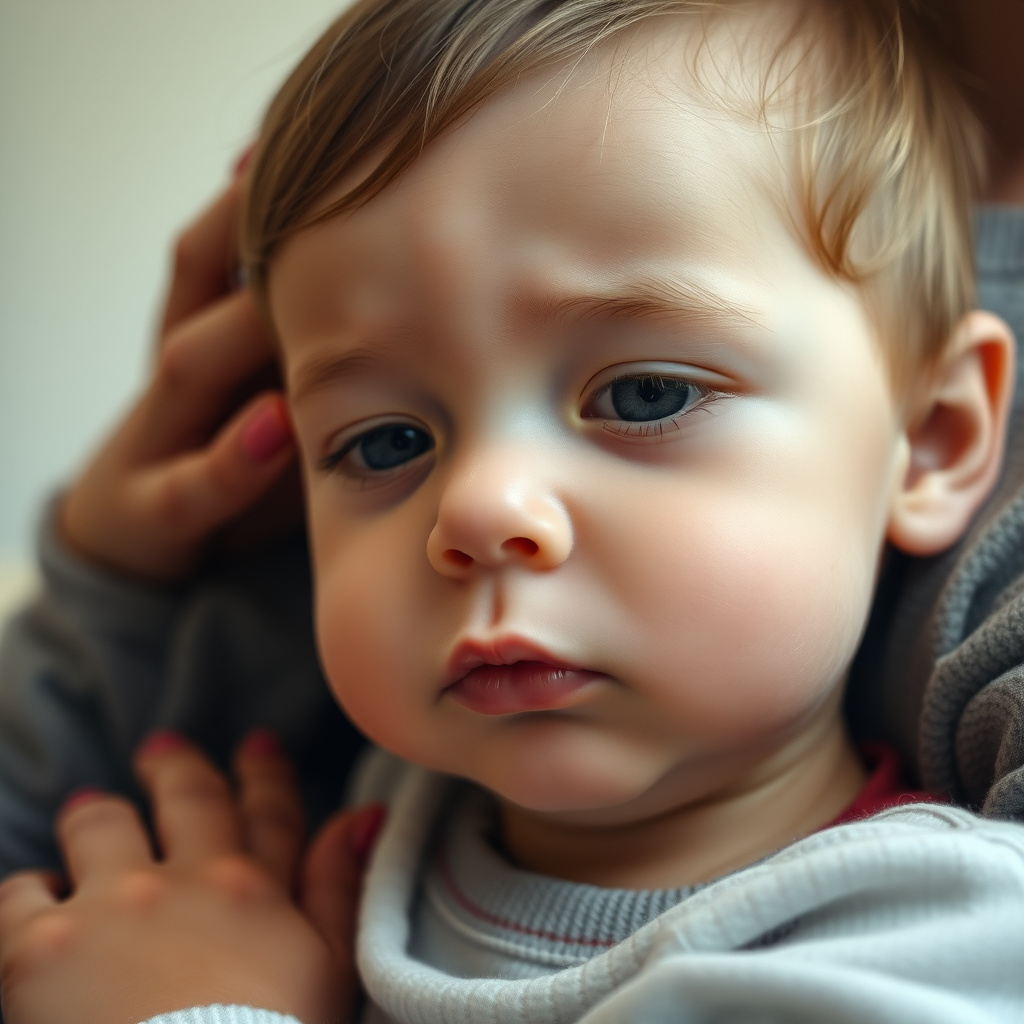
Childhood anxiety is a pattern of persistent fear or worry that goes beyond what's typical for a child's age and interferes with their daily life. It's not simply shyness or a bad day — it's an ongoing emotional response that can affect sleep, behavior, and how a child engages with the world around them.

Fear itself is a normal part of development. Toddlers commonly fear loud noises or strangers. Preschoolers might be convinced there's a monster under the bed. These are healthy responses tied to developmental milestones — the brain learning to process new and uncertain experiences.

Anxiety becomes a concern when those fears don't fade with reassurance, grow more intense over time, or begin to limit what a child is willing to do. A child who refuses to attend birthday parties, can't sleep without a parent present well past the toddler years, or has frequent physical complaints before school may be experiencing something more than typical worry.

Childhood anxiety disorders are among the most common pediatric mental health conditions, affecting roughly 1 in 8 children according to data from the National Institute of Mental Health. The good news: they're also among the most treatable, especially when identified early.

Common Signs and Symptoms to Watch For

Anxiety in young children rarely looks like adult anxiety. Children don't usually say "I'm anxious" — they show it through behavior, physical complaints, and emotional reactions that can seem puzzling or unrelated at first glance.

Behavioral warning signs to watch for include:

  • Avoiding situations or places they previously enjoyed
  • Clinging to caregivers in situations that don't seem threatening
  • Frequent tantrums or meltdowns that seem disproportionate to the trigger
  • Difficulty separating from parents at school drop-off or bedtime
  • Refusing to try new activities or meet new people
  • Repetitive questions seeking reassurance ("Are you sure everything will be okay?")

Physical symptoms are also common and easy to misread. Stomachaches, headaches, and complaints of feeling sick — especially before specific events like school or social gatherings — are frequently anxiety-related. So is trouble sleeping, nightmares, or a sudden regression in sleep habits.

On the emotional side, watch for irritability that seems out of character, tearfulness without a clear cause, or a child who seems "on edge" much of the time. Emotional regulation becomes harder when anxiety is running high, so big reactions to small frustrations are worth noting.

When Is It Normal — And When Is It a Concern?

The key question isn't whether your child worries — it's how much, how often, and how much it gets in the way. Age-appropriate fear fades. Clinical anxiety tends to persist or intensify.

A toddler who cries at drop-off but settles within a few minutes is showing typical separation anxiety. A five-year-old who is still inconsolable 30 minutes after a parent leaves, or who refuses to go to school entirely, is showing a pattern worth discussing with a professional.

Ask yourself these questions:

  • Has this worry or behavior lasted more than a few weeks?
  • Is it getting worse rather than better?
  • Is it affecting sleep, eating, friendships, or school participation?
  • Does your child seem unable to be reassured, even temporarily?

If you're answering yes to more than one of these, that's a signal to take the next step — not a reason to panic, but a reason to act.

How Anxiety Can Show Up Differently by Age

Anxiety doesn't look the same across all ages. Understanding how it presents at different developmental stages helps caregivers recognize it more quickly.

Toddlers (Ages 1–3)

At this age, children are just beginning to understand that the world is big and unpredictable. Separation anxiety is developmentally normal and peaks around 12–18 months. Signs that go beyond typical include extreme distress during transitions, persistent sleep problems, and physical symptoms like frequent vomiting before daycare.

Preschoolers (Ages 3–5)

Preschool-age children have vivid imaginations, which means fears can feel very real — monsters, the dark, getting lost. Anxiety at this age often shows up as refusal to participate in activities, frequent nightmares, or intense shyness around peers. Watch for a child who seems "frozen" in new social situations rather than simply cautious.

Early School-Age Children (Ages 5–8)

Once children start school, anxiety often shifts toward performance, social belonging, and fear of getting things wrong. School refusal, complaints of stomachaches on school mornings, and excessive worry about making mistakes are common presentations. Cognitive-behavioral approaches adapted for children — like helping them challenge "what if" thinking — are particularly effective at this stage.

How Parents and Caregivers Can Help at Home

Caregivers are often the first and most powerful line of support for an anxious child. Several evidence-informed strategies can make a meaningful difference in daily life.

Validate first, problem-solve second. Before jumping to "there's nothing to worry about," acknowledge what your child is feeling. "I can see you're really scared right now" does more to calm a nervous system than immediate reassurance. Children who feel heard are more open to working through their fears.

Build predictable routines. Anxiety often spikes in the face of uncertainty. Consistent daily schedules — especially around wake-up, meals, and bedtime — give young children a sense of control over their environment.

Gently encourage, but don't force. Avoidance reinforces anxiety over time. Rather than letting a child skip every scary situation, support them in taking small steps. A child afraid of the swimming pool might first sit by the edge, then dip their feet in — progress in manageable increments.

Teach simple calming tools. Even toddlers can learn basic emotional regulation techniques. Slow belly breathing ("smell the flowers, blow out the candles"), squeezing a stress ball, or naming emotions out loud can help a child move through anxious moments rather than getting stuck in them.

Model calm yourself. Children are highly attuned to caregiver anxiety. When you stay regulated during your child's distress — even when it's hard — you're showing them that the situation is manageable.

When to Talk to Your Child's Pediatrician

Your child's pediatrician is the right first call when anxiety symptoms are persistent, escalating, or significantly affecting daily functioning. You don't need to wait for a crisis — early conversations lead to better outcomes.

Bring specific observations to the appointment. Rather than saying "my child seems anxious," describe what you've noticed: "She's had stomach pain every Monday morning for six weeks and cried at school drop-off every day this month." Concrete details help the pediatrician assess the situation accurately.

Red flags that warrant prompt attention include:

  • Consistent school refusal lasting more than a few days
  • Physical symptoms (stomachaches, headaches) with no medical explanation
  • Sleep disruption lasting several weeks
  • Regression in skills the child had already developed (toilet training, speaking, self-care)
  • Expressions of hopelessness or self-harm in any form

A pediatrician may refer your family to a child psychologist or therapist who specializes in pediatric mental health. Child-adapted cognitive-behavioral therapy (CBT) has strong evidence behind it for childhood anxiety disorders and is generally the recommended first-line approach before considering medication in young children.

Supporting Your Child's Long-Term Emotional Well-Being

Anxiety in childhood doesn't define a child's future. With the right support, most children learn to manage their worries effectively and go on to thrive socially, academically, and emotionally.

The goal isn't to raise a child who never feels anxious — anxiety is part of being human. The goal is to raise a child who has the tools to move through anxious moments without being stopped by them. That kind of resilience is built gradually, through repeated experiences of facing something hard and coming out the other side.

As a caregiver, your presence, patience, and willingness to take your child's inner world seriously are the foundation of that resilience. You don't need to have all the answers. Showing up consistently and reaching out for support when you need it — whether from a pediatrician, a therapist, or a trusted community — is exactly the right approach.

Frequently Asked Questions

What are the earliest signs of anxiety in toddlers?

In toddlers, early anxiety often appears as extreme clinginess, intense distress during transitions or separations, frequent nighttime waking, and physical symptoms like vomiting before daycare. Because toddlers can't verbalize worry, their bodies and behavior do the communicating.

Can young children develop anxiety disorders?

Yes. Childhood anxiety disorders, including separation anxiety disorder, generalized anxiety disorder, and specific phobias, can emerge in children as young as two or three years old. Early identification and support significantly improve outcomes.

How do I talk to my child about their worries?

Keep it simple and open-ended. Try "I noticed you seemed worried earlier — want to tell me about it?" Avoid dismissing fears or offering immediate solutions. Listening first, and validating what they share, builds the trust that makes children more willing to open up over time.

What is the difference between separation anxiety and an anxiety disorder?

Separation anxiety is a normal developmental phase that typically peaks between 9 and 18 months and fades by age three or four. Separation anxiety disorder involves distress that is excessive for the child's age, persists beyond the expected developmental window, and significantly interferes with daily life — such as preventing school attendance or causing physical symptoms.

Should I be concerned if my child refuses to go to school?

Occasional reluctance is common, especially after school breaks or during transitions. Consistent school refusal — particularly when paired with physical complaints, tearfulness, or distress that doesn't improve — warrants a conversation with your child's pediatrician. School avoidance tends to worsen the longer it continues, so early action matters.

{{HOMEPAGE_LINKS}}